The invention of the Trawler
For a European in 1960, the vast western basin of the Pacific Ocean is still a little-known world, rarely frequented for tourism or business. France’s colonial presence in Indochina has ended with Dien Bien Phu in 1954 and the Geneva Accords. Things are quite different for the British and Americans, who are starting to feed their orders into the Far Eastern industrial machine, which is slowly but surely moving forward. Hong Kong is one of the first places to rise to the economic challenges following the Korean War and the lifting of restrictions on trade with the vast China to the north. The Kowloon Peninsula might seem very far removed from London, even though red double-decker buses can still be found there driving on the left, one of the few vertical visual elements in a city whose urban landscape is still largely horizontal. Equally surreal is the portrait of the young and graceful Queen Elizabeth II on the bundles of dollars changing hands. Seen from the United States’ West Coast, the temptation to do more business with the distant opposite shore grows stronger. While popular imagination might transform this British colony into a hotbed of vices featured in some low-budget films, with espionage, sinister alleyways, clandestine gambling dens, hostesses in figure-hugging qipao dresses and trafficking of all kinds, pragmatic Anglo-Saxons prefer to set up legitimate businesses with a street presence, especially since the continued influx of large numbers of Chinese people from the mainland, fleeing the People’s Republic, provides a hardworking and inexpensive workforce. Products made in Hong Kong, long viewed with suspicion and prejudice in Europe, encounter far less resistance in the United States. At the time, seasoned globetrotters rarely hesitate to return home with suitcases filled with custom-tailored suits and shirts, proudly boasting that they cost a fraction of what they would have paid on Savile Row or in Manhattan.
The subtle art of bottling boats
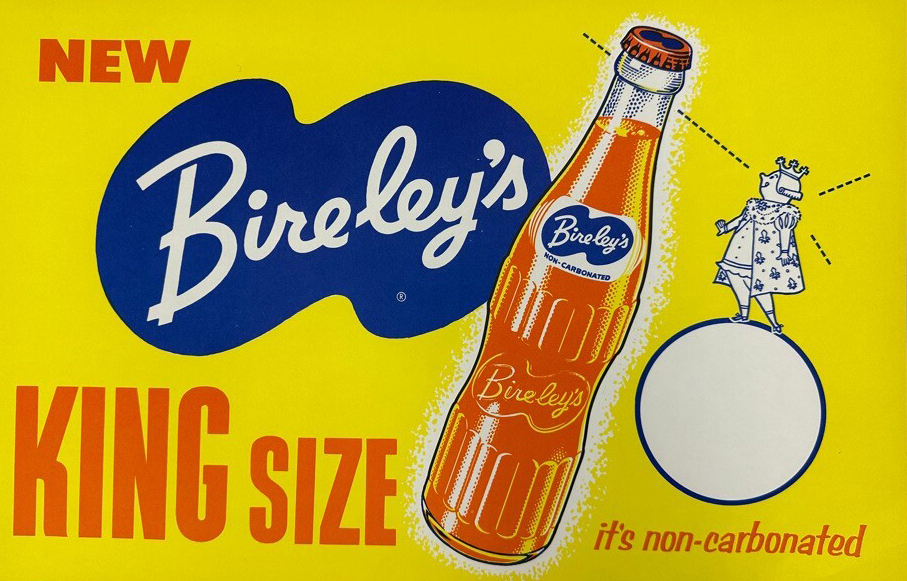
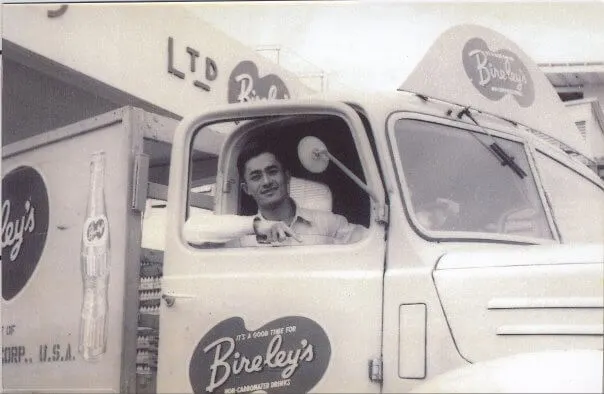
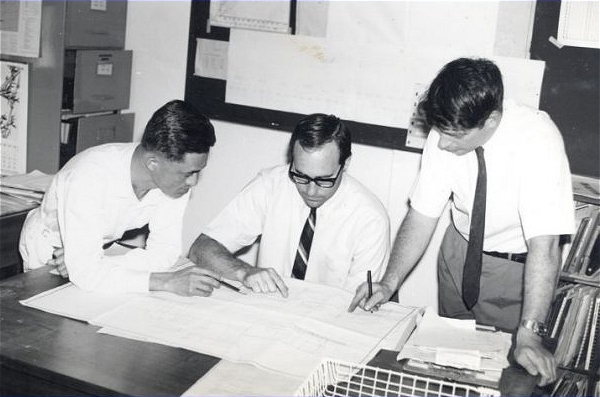
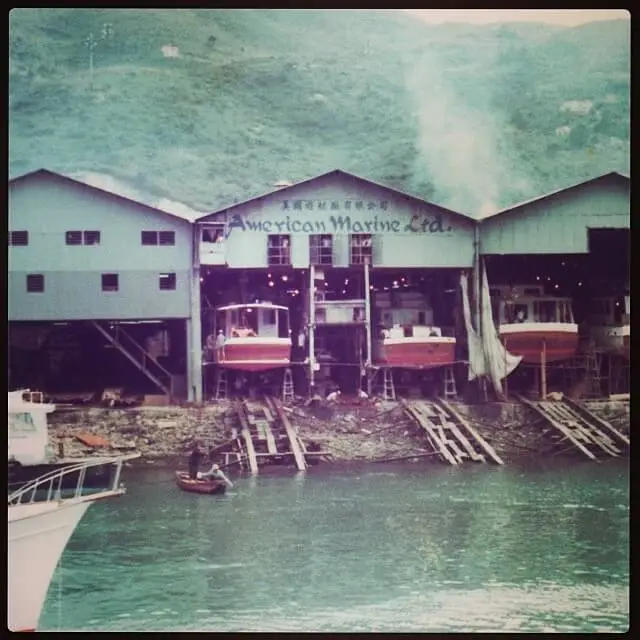
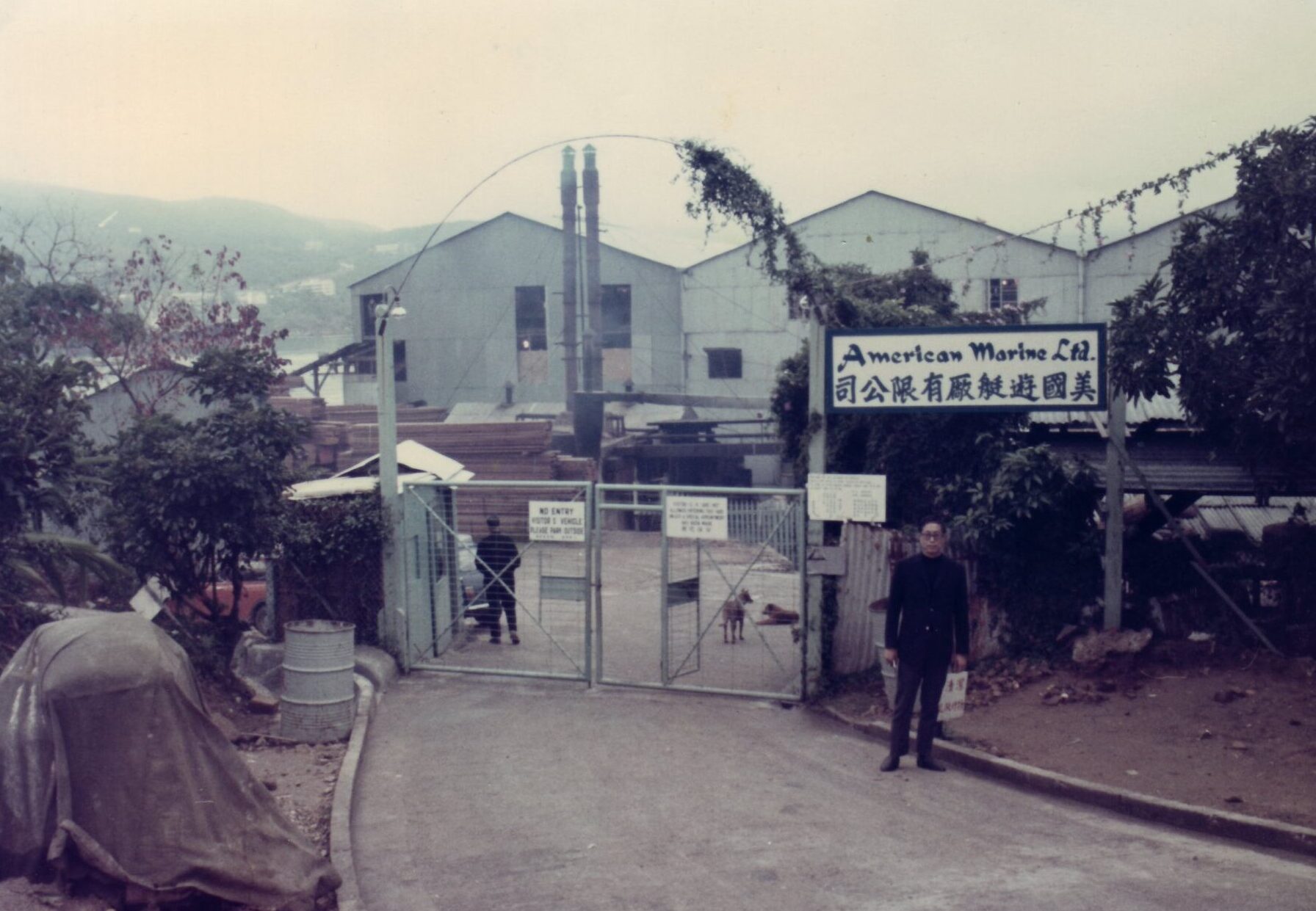
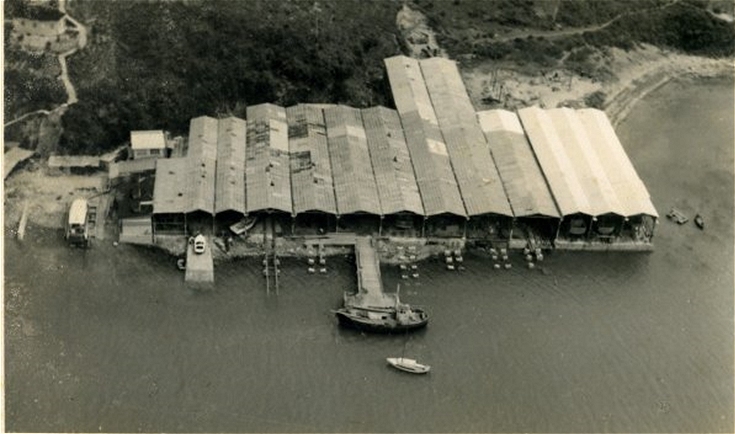
Alongside small craft workshops, Hong Kong’s textile industry already accounts for a large share of its exports. Electronics will follow later. And to cool off between fittings in the subtropical heat, people are likely to have downed a well-chilled bottle of Bireley’s, a very popular orange soda created in Los Angeles in the 1920s and produced locally on Mok Cheong Street, in what is now the Ma Tau Kok district. It is precisely at this address, and within the socio-economic context of this long prologue, that our story once again picks up the wake of recreational boating. In the Newton family, Robert, the father, heads up Bireley’s regional bottling plant. In 1956, looking to the future and eager to open up new horizons for his sons John and Whit, he ventures into boatbuilding by converting part of the company’s truck parking area into a boatyard, named American Marine. These American expatriates naturally frequent the Royal Hong Kong Yacht Club, one of the few places in the city where business and leisure come together in a sporty, refined and very Western atmosphere. A few visiting yachtsmen and architects have already realized that excellent boats could be built in Hong Kong, just like more than decent tailored suits could be made there at unbeatable prices. The Newtons’ small firm secures its first orders before relocating to a far more suitable waterfront site overlooking Junk Bay, less than 10 kilometers away. Beneath its vast hangars facing the sea, various yachts – primarily sailing models – are hand-built as one-off projects from plans drawn up by leading naval architecture firms from the East Coast of the United States, such as Sparkman & Stephens, Raymond Hunt and William Garden. This boatbuilding activity is not the only one of its kind in the region, and established yards such as Cheoy Lee have already been operating there for a long time. The Newtons, who have little or no marine engineering knowledge, benefit from their extensive experience in managing production teams and quality control, as well as a certain flair for business. However, for their business model to be sustainable, producing small series of the same model would be a valuable asset compared with the inherent uncertainty of one-off orders, which banks always view with caution.
In praise of slowness in a world in motion
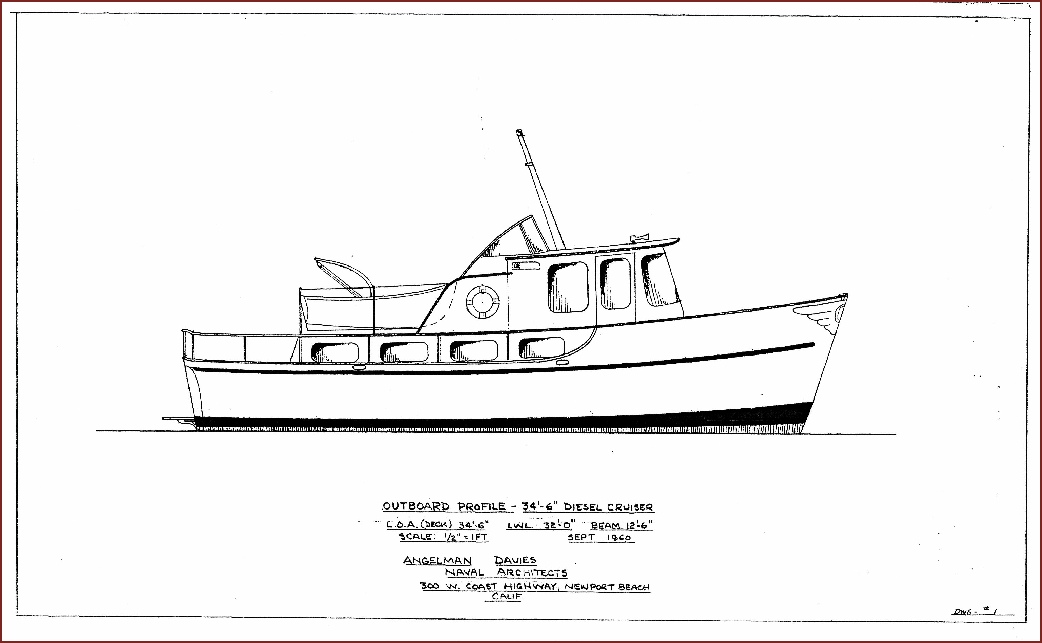
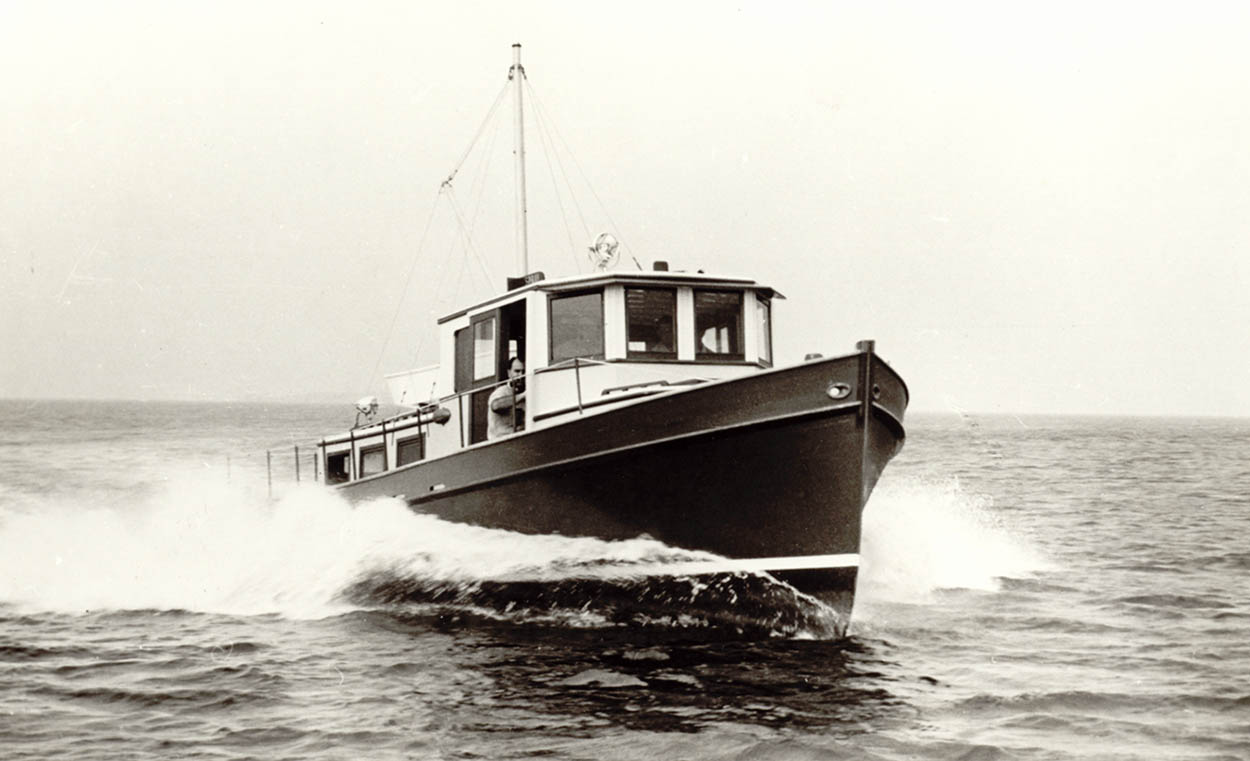
The details surrounding the arrival of the first pre-series order at American Marine were not recorded in the archives or the few surviving accounts of the time. However, what we do know with certainty is that this was for an original 34-foot 6-inch motor cruiser, inspired by the lines of Alaskan fishing boats, a true pioneer of its kind, going against prevailing trends. At the time, in the United States, on both coasts, there is a marginal movement of recreational boaters attached to the spirit and aesthetics of traditional working boats and rejecting the dominance of the cult of performance. The plans for this motor cruiser, dated September 1960, are created by Angelman & Davies, a well-known firm based in Newport Beach, California. Hugh Angelman is, among other things, the designer behind a classically inspired wooden sailing yacht, reproduced both as one-off projects and in large numbers since the late 1930s. With its bold bowsprit, the Sea Witch looks like a small clipper from the Gold Rush era. In the same vein, the Chantyman appeared on the American market from 1961, becoming the first commercially marketed trawler-style model. Its first advertisement, published in the same year in Motor Boating magazine, describes it as follows: “Designed to face all the conditions you may encounter from Alaska to Panama, from Nova Scotia to the West Indies, offering clearly superior living space and comfort compared with other motor cruisers, while earning the respect of old sea dogs at an extremely competitive price”. Several interior layout options, entirely arranged within a single volume, are offered “as standard” at the same price. Nearly everything is accounted for, except that only the architects and the sole Californian distributor are mentioned, not American Marine itself. The Chantyman, with its large raised wheelhouse, high bulwarks and rounded displacement hull is fitted with a modest Ford diesel engine, delivering 58 to 87hp. More than 30 units will come out of the Hong Kong workshops between 1961 and 1962, with around half still in existence today, lovingly maintained by owners passionate about preserving a piece of history. The general characteristics of the leisure trawler are already in place, but American Marine needs to go further with its initial approach in order to industrialize this concept.
From the Bering Sea, the trawler drops anchor in Newfoundland
According to Tony Fleming, a Briton appointed technical director in Hong Kong in 1961: “The Chantyman was difficult to build in series because its rounded hull, without a hard chine, required bent frames. Moreover, the open-plan interior did not appeal to everyone. This is what pushed Robert Newton to look for another formula”. Some thirteen thousand kilometers away, while efforts are being made to produce Chantymans in southern China, a New England yachtsman calls on the renowned architect Kenneth L. Smith (1910-1987), from Fairfield, Connecticut, to design a single-engine diesel cruiser with long-range capabilities, able to cruise at around 15 knots, while still passing for a discreet working boat. Smith creates a semi-displacement hull with a very fine V at the bow that gradually opens up towards the stern, featuring hard chines, highly protective raised bulwarks, and a high forward wheelhouse, with a raised roof extending to the rear and including large windows. Named Spray, this 36-foot design, built entirely of wood in 1962 by Wharton (Rhode Island), reaches 16 knots with a 270hp Caterpillar engine. It is this boat that Robert Newton spots the same year, prompting him to contact Kenneth Smith to move forward with the next stage of his project.
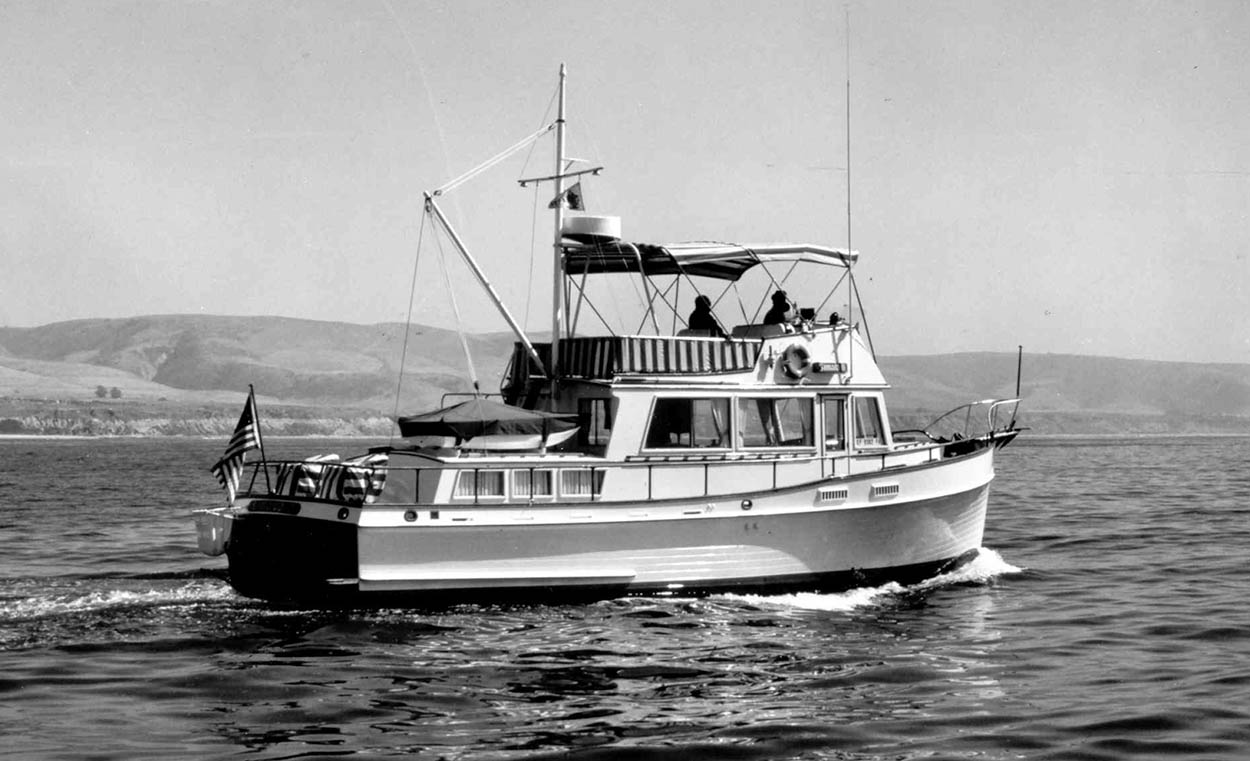
With some adaptations to the original design, including a larger saloon, reduced power and the addition of a flybridge, the new American Marine prototype is launched in 1964 in Hong Kong. The following year, the yard announces the release of the first Grand Banks 36’, which includes a more ambitious program than Spray, while also being less powerful and more economical. The definition of the trawler style marks the start of a long industrial adventure based out of Southeast Asia that will go on to shape the global history of recreational boating. The creation of an evocative and highly memorable brand name can be a decisive factor in the marketplace. The choice of Grand Banks, the legendary fishing grounds off Newfoundland in the North Atlantic, confirms the importance of a strong name that adds value, even though in 1965 everything still needed to be done to establish it.
The Pearl River is anything but a calm, smooth-flowing river
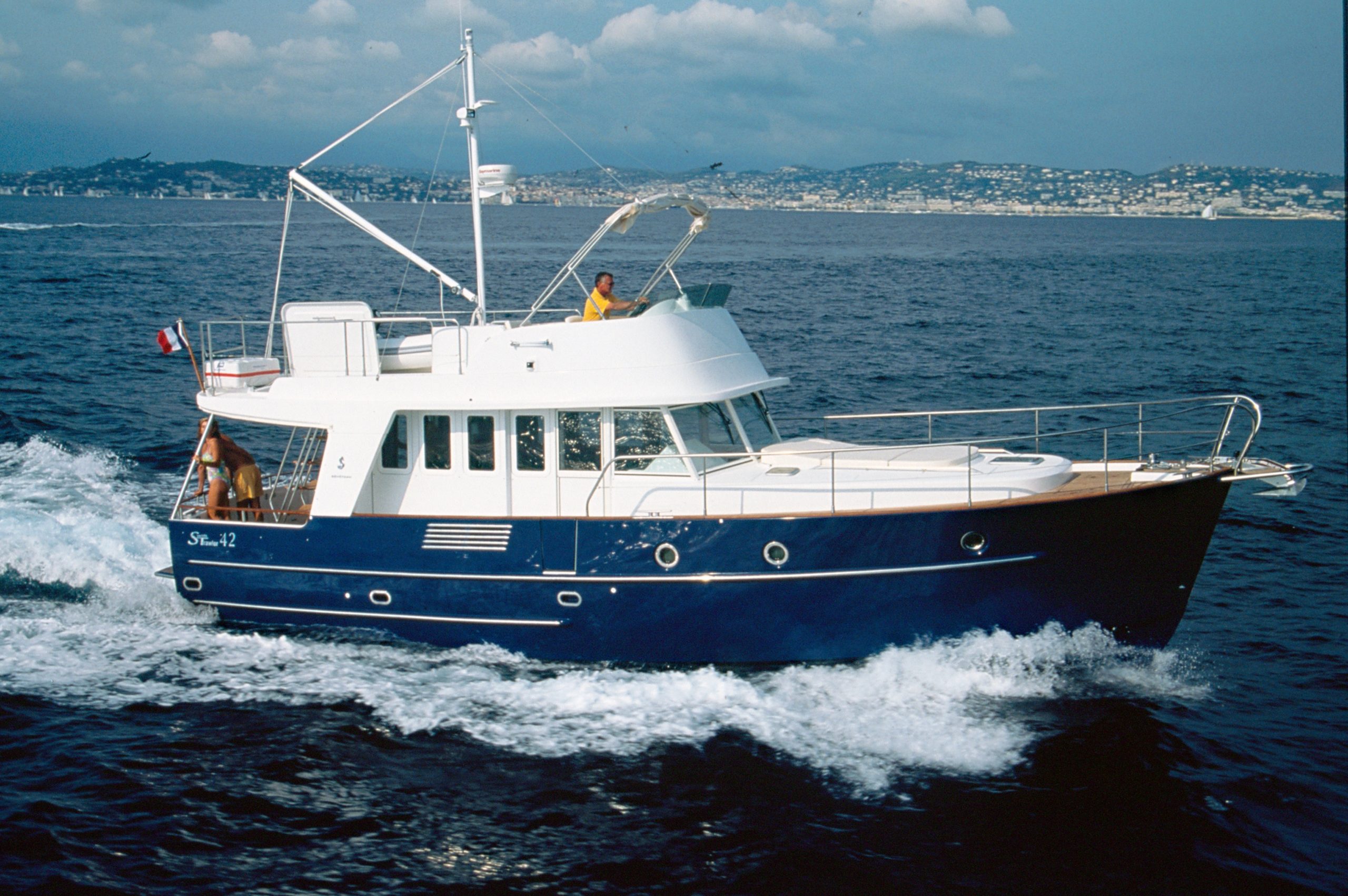
The success of the Grand Banks 36’, followed by the 42’ and other models, owes much to the vast potential of the American market, with its very high level of acceptance of innovation, especially when it delivers a pragmatic response to simple expectations. From the outset, the trawler appeals to its followers through its classic, reassuring and economical side, geared towards a gentle, unpretentious approach to nature, in the manner of a professional. American Marine’s network soon expands worldwide, with the first Grand Banks 36’ arriving in France as early as 1967, before steadily establishing a commercial presence spreading out from the Mediterranean. To fulfill abundant international order books, the Hong Kong yard is able to count on a workforce of more than 1,000 employees, as everything is done by hand, from cutting the solid structural timbers to the fine decorative wood inlay work on its famous wheel, one of the brand’s distinctive features. This rapid expansion leads, in 1969, to the opening of a new site in Singapore, followed by a full relocation to the island state from 1974, marking the launch of fiberglass construction and the move away from Junk Bay. Through a number of financial upheavals between 1966 and 1998, when the company left Singapore for Malaysia, where the yard is now firmly established, more than 2,800 Grand Banks were produced. The validity of this original concept, continually proven over time, inspired a number of rival firms, often founded by former American Marine employees, such as Island Gypsy and Fleming, not to mention Selene, Sirena and many others, from Taiwan or China. For a long time, the trawler remained a Far Eastern specialty, a rare example of a Western-born product that was never relocated to Asia, because it had originated there… This specific segment was bound, sooner or later, to attract a group such as Beneteau, which launched its first Swift Trawler 42’ in 2003 — a kind of return to its roots for this former professional fishing-boat builder. The range derived from this first model applies the latest design and manufacturing technologies to the traditional qualities of the trawler. But, whether it comes from here or elsewhere, this type of yacht, decidedly unlike any other since the 1960s, remains above all a reflection of a lifestyle, of a particular way of living with the sea.