Couach, the unsinkable French pioneer
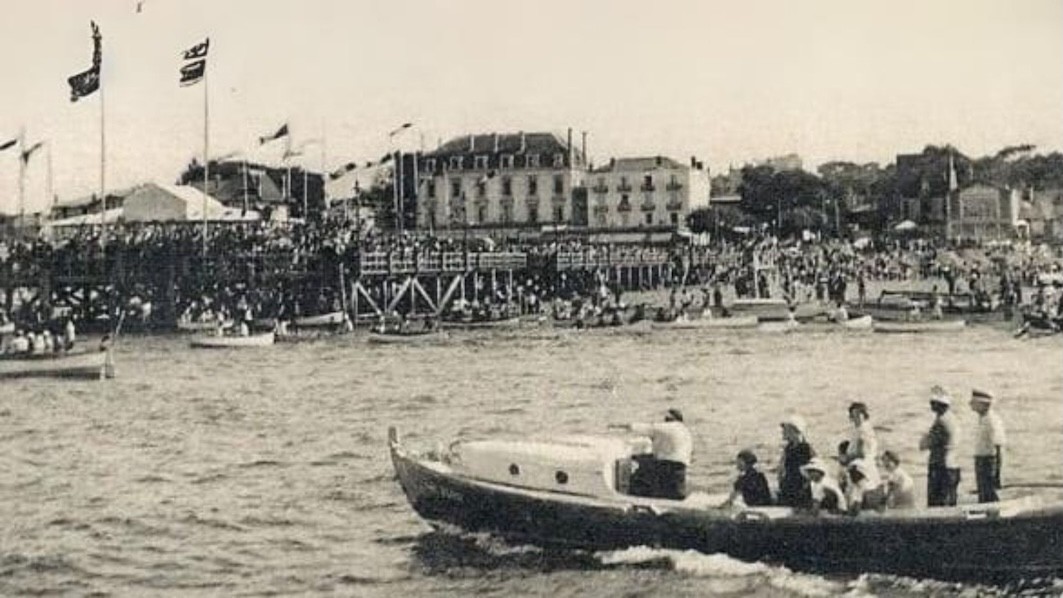
Arcachon, November 22, 1903. Named Libellule, the first motorized pinnace fishing boat in Arcachon Bay takes to the water, powered by a petroleum engine designed and built in the workshops of a certain Albert Couach. The age of motor-powered boats has begun. It smokes a little, gives off what witnesses describe as “a strange smell” and sputters quite a lot, but it moves forward on its own, without oars or sails… A small marvel. At the time, this very local event already heralds the deep transformation of working vessels, and later of recreational boats, a sector that is yet to be invented.
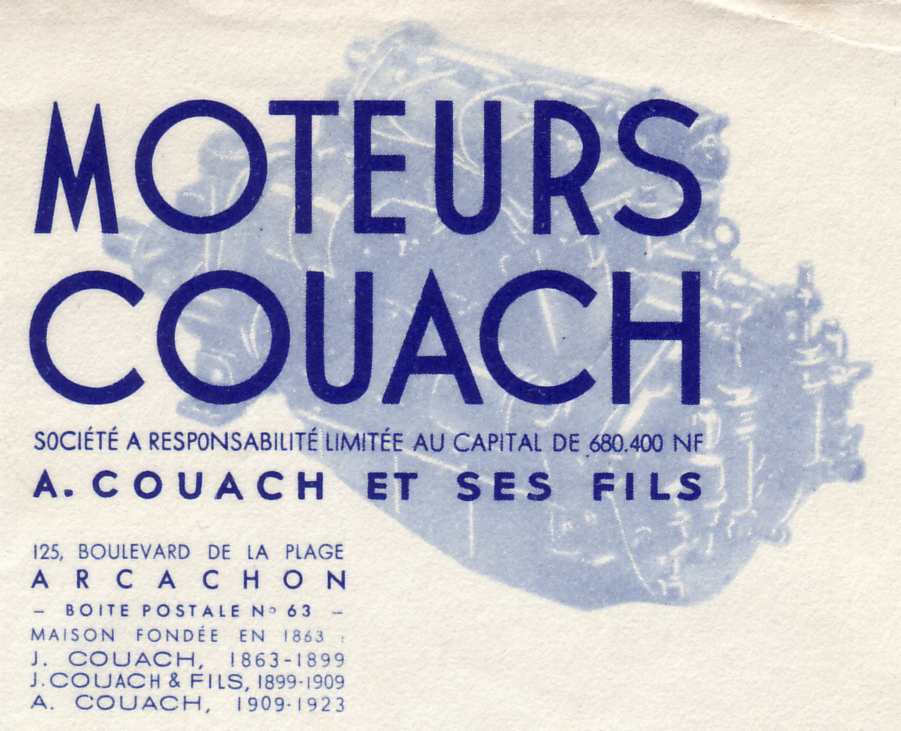
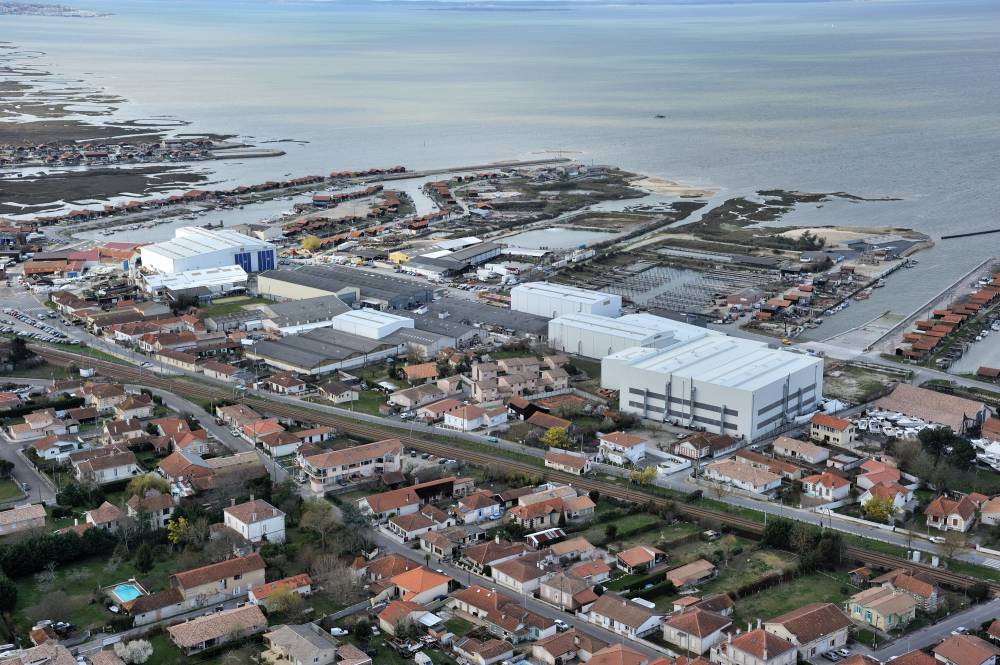
The small factory, founded in 1863 by J. Couach, is regarded as one of the very first to specialize exclusively in marine engines from 1897, a pioneer in the long history of mechanization, which, like for automobiles, is still in its infancy. 130 years later, the Couach signature, with its instantly recognizable rounded lettering, is still very much alive, featured on luxurious yachts and a large fleet of cutting-edge professional and military vessels. No other French company, with the exception of Bénéteau, separated by just a few years, has achieved such longevity.
From fishing to recreational boats with Arcoa
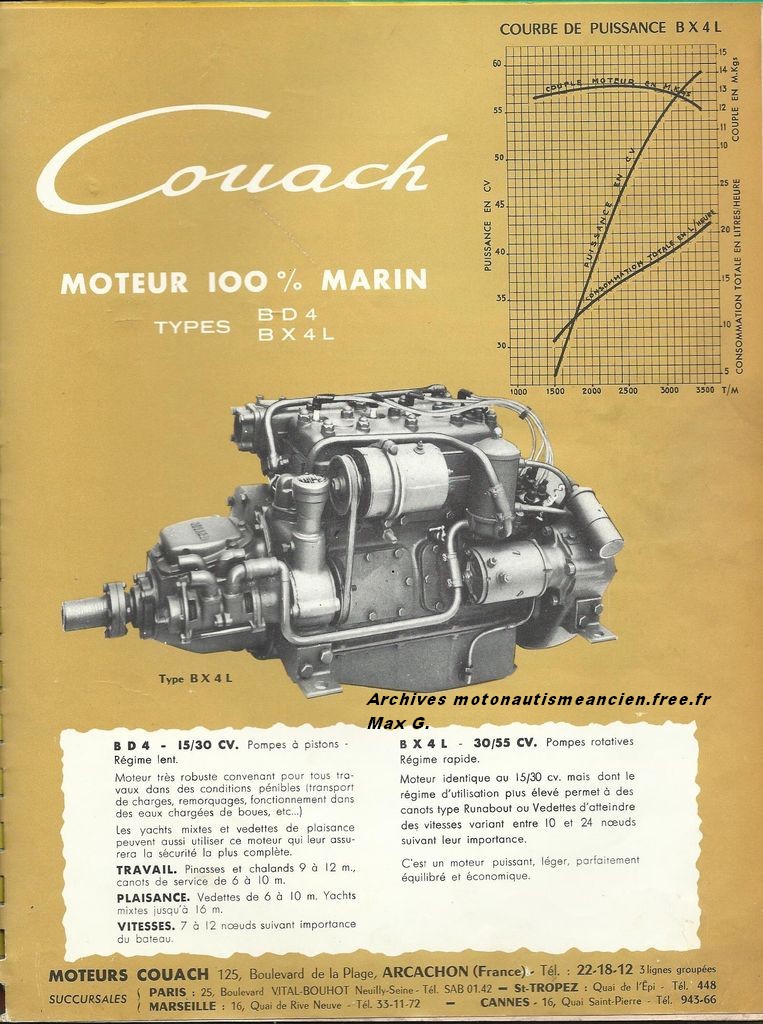
After the First World War, Couach engines increasingly establish themselves in the demanding worlds of fishing and naval services, where reliability and the rapid availability of spare parts for all models, even older ones, are essential for sustaining a hard-earned reputation for seriousness and dependability. Its first diesel units appear in the catalogue in 1937, at a time when recreational boating still represents only a modest share of sales. Gradually, however, leisure navigation, under sail and power alike, forms a steady customer base, reassured by engines that reliably bring their boats safely home.
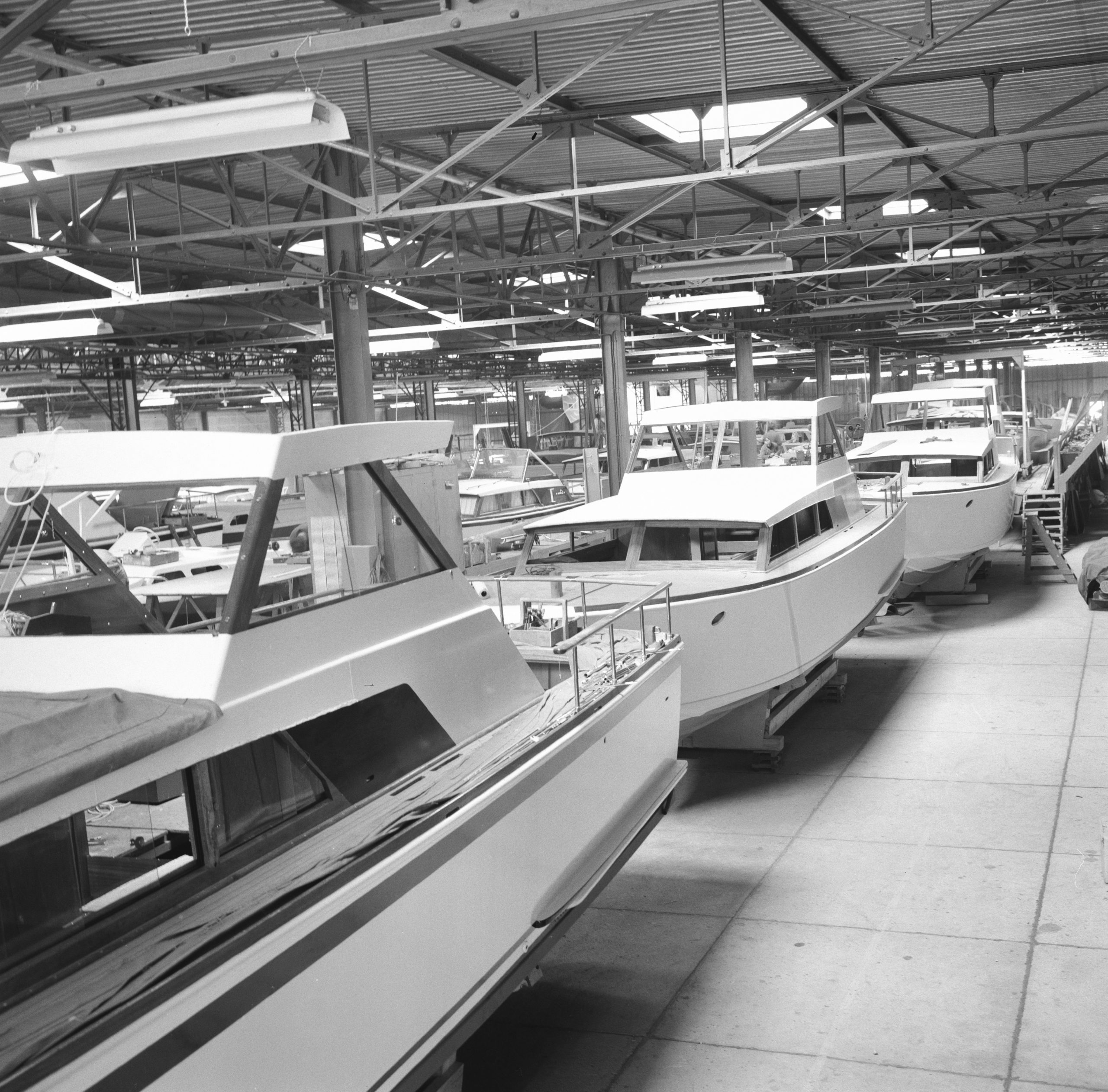
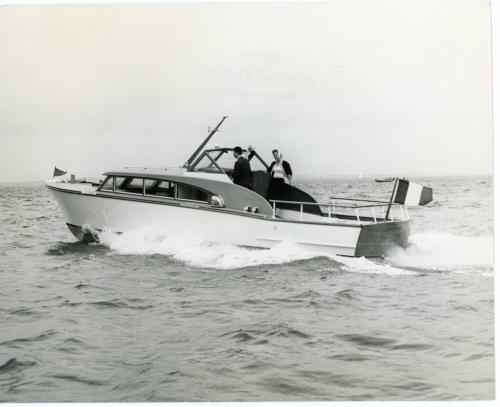
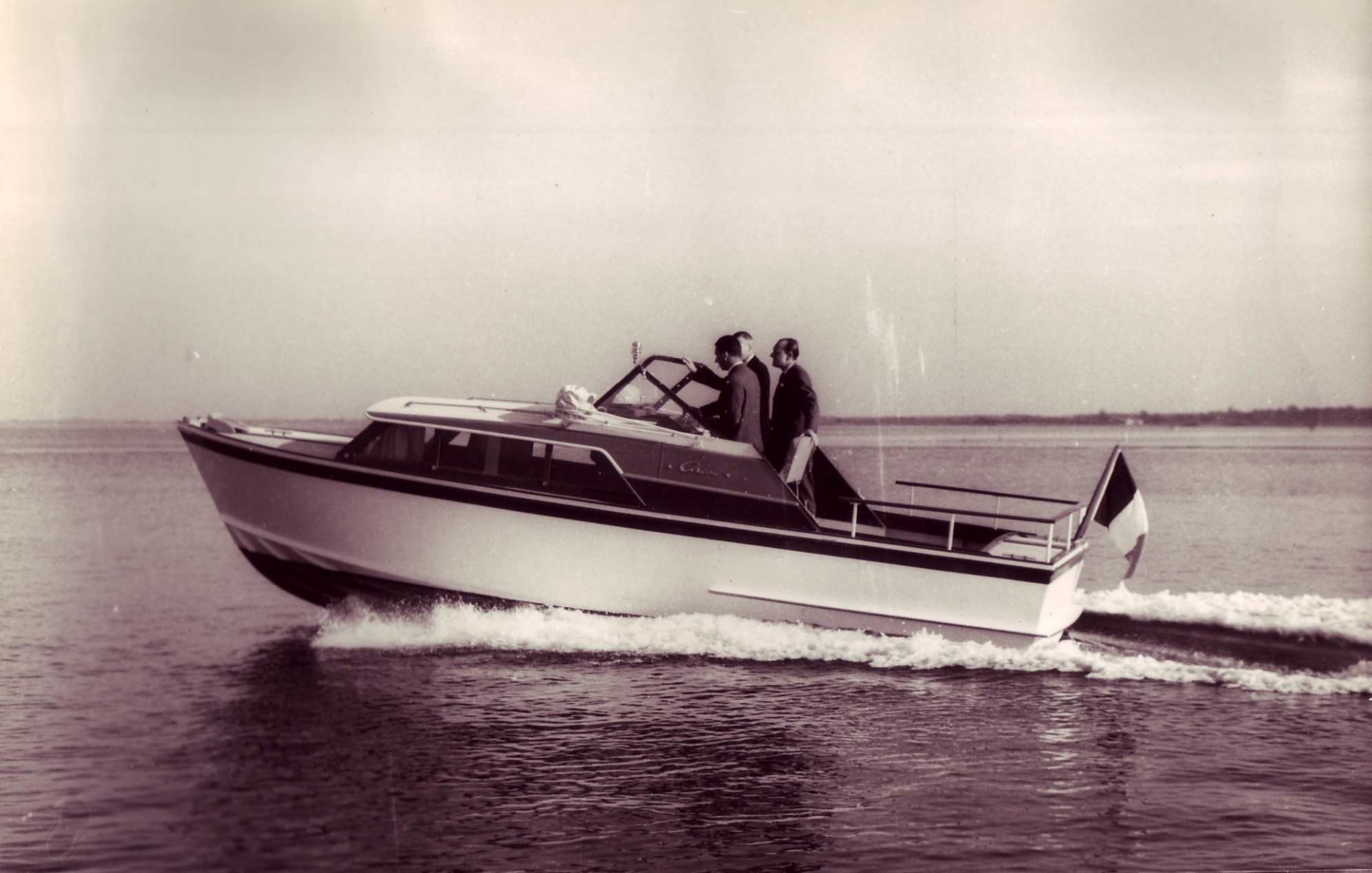
In 1946, to sustain its activity following the war, Robert Couach, the founder’s son, secures an official order for 400 wooden pinnaces (10.50m), with 390 destined for export throughout the French Empire, in Africa and Madagascar, all fitted with Couach engines. To achieve this, a new yard, known as Arcoa – a contraction of Arcachon and Couach – is set up alongside the mechanical plant in Gujan-Mestras, while the young Guy joins the business the following year. Gifted in mathematics, exceptionally well trained, a highly skilled technician and a tireless worker, he will be a major factor behind the family firm’s successful move into boatbuilding. By the mid-1950s, the recreational boat market begins to take off, buoyed by the economic growth of the early Glorious Thirties. Guy Couach and his father launch the very first modern French motor cruiser, the Arcoa 1060. It will soon be followed by other versions, including the 760, a beautiful national model to rival the best American and Italian productions. All of these small-series boats are built using wood. Arcoa becomes the leading French producer in this sector.
Guy Couach launches his own signature
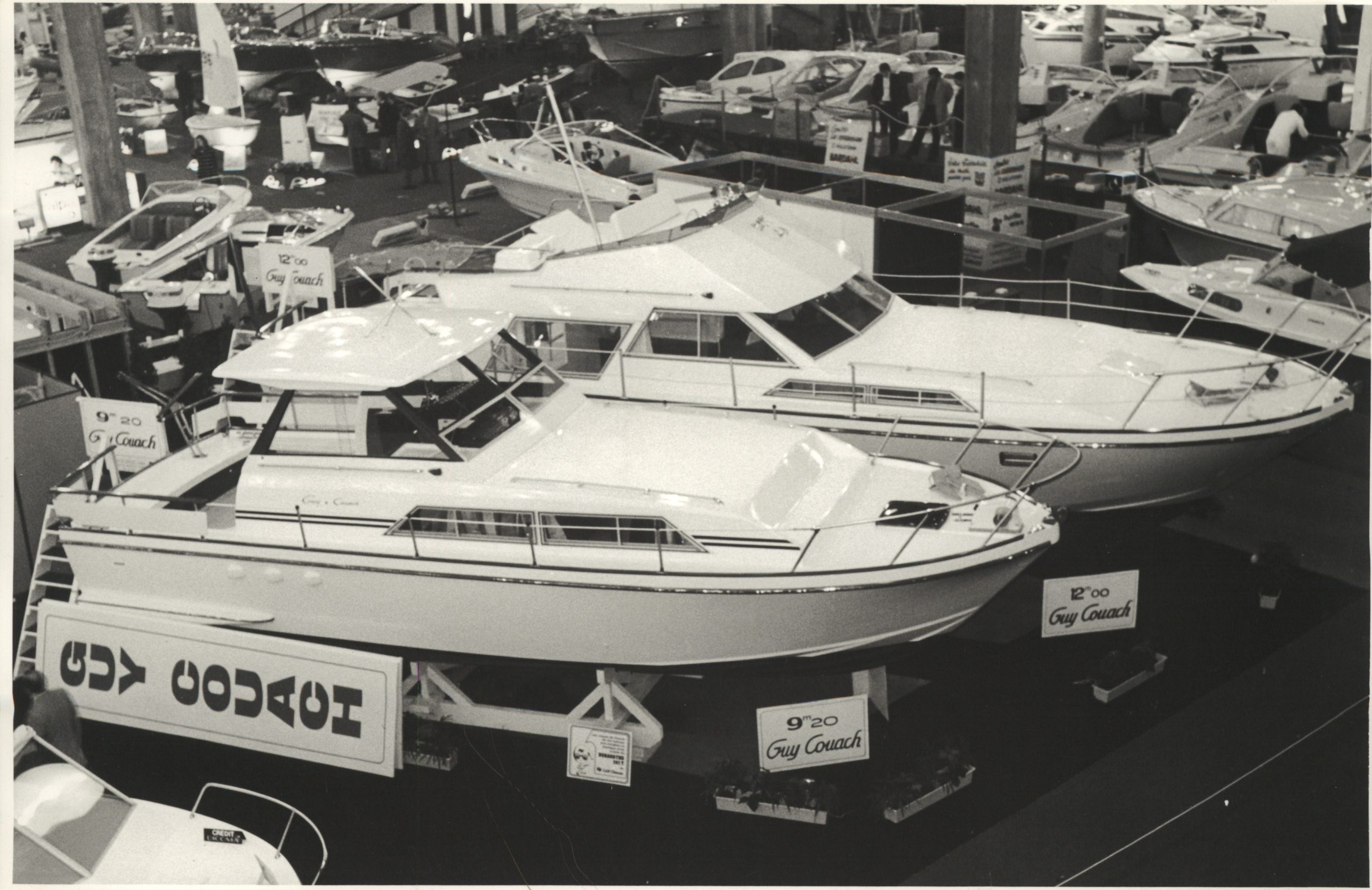
During these years of progress, Guy, who is passionate about his craft, finds it increasingly difficult to accept the limitations imposed by a father who does not yet seem convinced by the emergence of a stable market for units over 10 meters. Drawing on his experience and his convictions, he therefore decides in 1962 to set out on his own, launching a new venture under his full name. He continues building in wood and introduces his first model under the Guy Couach brand, the 1200, based on the 1060 that he designed at Arcoa. The construction remains the same, simple and robust: an oak keel, acacia frames and mahogany planking. Success comes quickly, and other models follow, with the 1500 in 1967 and then the 1300. An innovator at heart, Guy Couach presents his first polyester hull as early as 1968 with the 960, choosing a smaller size for this first experience in series production as he learns about molding techniques. Before long, his “plastic” catalogue expands to include the 1200, a polyester version of the wooden 1300, at a time when wood’s days in series boatbuilding are clearly numbered.
We are now at the beginning of the 1970s. Guy Couach moves upmarket with the 1600, while testing out the most advanced composites of the time through Aramat, the first French hull molded using Kevlar fiber.
At the same time, the Couach family continues to transform its presence in the boating world. It begins with the divestment of the Arcoa brand, taken over by the newly created Yachting France group, which continues to build its motorboat models, as well as Jouët and Lanaverre units in the sailing sector. Its production will cease in 1991. However, the Arcoa brand will continue to survive for many years, through successive takeovers and relocations. Its continued strong reputation in yachting, combined with its historic access to official military and public-service markets in France and abroad, gives it undeniable appeal to investors from a wide range of backgrounds. Through various economic crises and recovery plans, the business pages of western France’s regional daily press make it possible to trace this complex trajectory into the early 2010s. The film La Mer à boire, released in 2012 and starring Daniel Auteuil as a boatyard owner, is directly inspired by the press coverage of Arcoa’s difficulties during this period.
Transformation like a consecration
At the dawn of the 1970s, the heart of Couach’s historic business also changes hands, entering the fold of France’s leading automotive manufacturer, Renault. This change of scale reflects the success of the Arcachon-based pioneer of marine engineering, whose name is now associated with the power and strength of the group from Boulogne-Billancourt. By 1972, Renault Marine-Couach equips a large part of the fleet of 4 to 20m boats produced in France. Its petrol and diesel ranges include more than 22 models manufactured in Gironde.
During these years of major changes, Guy Couach focuses on developing his own yard and creates Plascoa, a dedicated company capitalizing on his expertise to produce fast patrol craft for military clients, including France’s Maritime Gendarmerie, as well as for French and foreign government organizations. Despite the international crises and fluctuations in the French economy, the overall trend remains one of growth. Powerboating enjoys increasing success, and Guy Couach expands his offering. He clearly stakes out his territory by adopting the major design trends of the time, including the flybridge and open layout, developing both larger and smaller boats, with a constant focus on quality at every level. By the mid-1980s, this enables Guy Couach to cover a large section of the market with his small open boats, sport fishing units, cruisers and yachts. This is the period when his son Pierre begins to take over the day-to-day management of operations. Keenly aware of the importance of the values consistently advocated by his father from the outset, Pierre embarks on a modernization of the range in which smaller units are phased out. Driven by the increase in boat sizes and a favorable international market, the company continues to evolve, in anticipation of the following decade, moving into the large yacht sector, with several models over 18m and others reaching up to 28m. During these “crazy” years, there no longer seem to be any limits, until the international economic crisis of the early 1990s, marked by the Gulf War, hits the recreational boat industry hard. Like many others, the Guy Couach yard enters a difficult period.
A name that weathers every storm
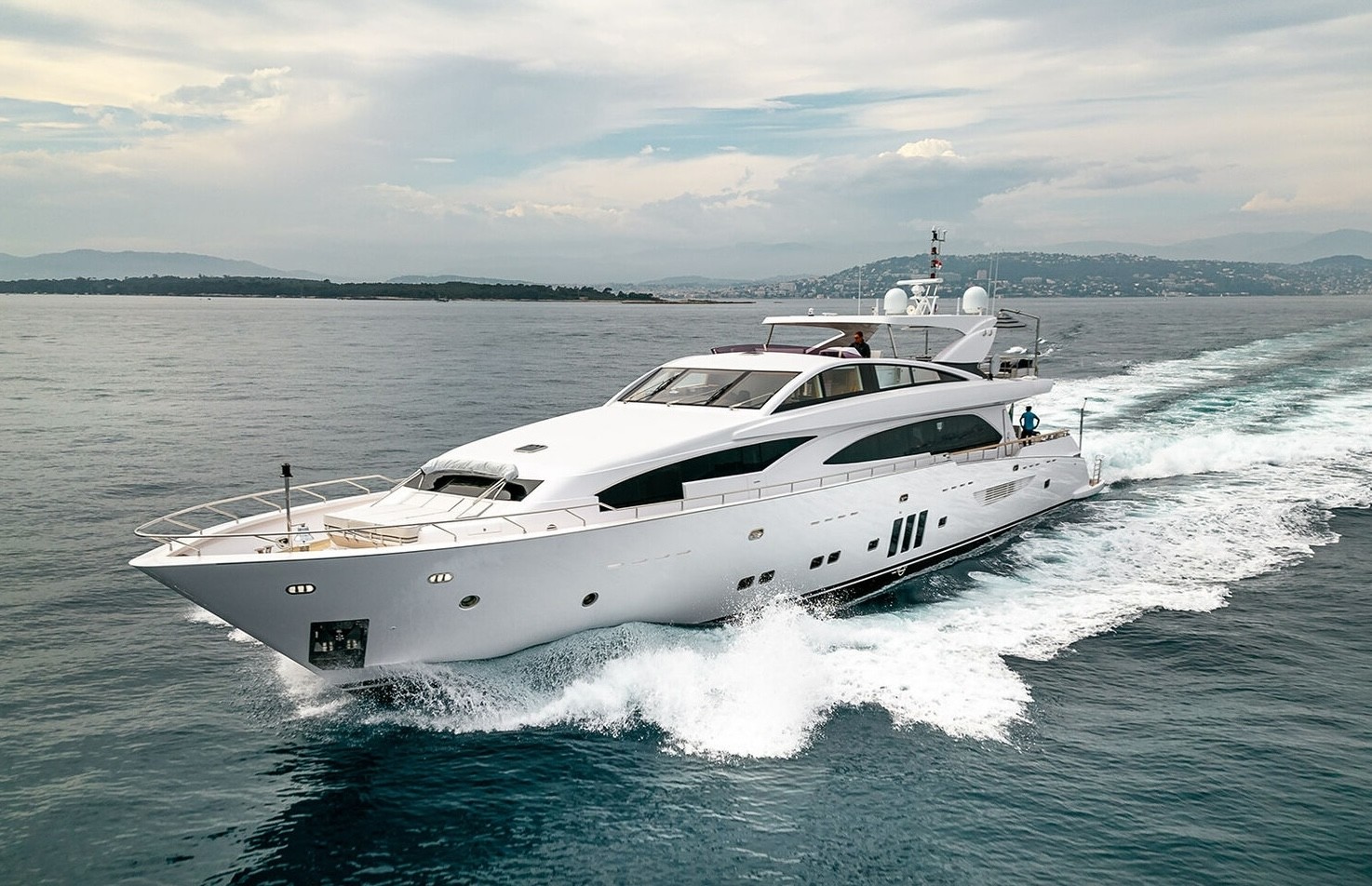
Taken over by the Bordeaux-based industrialist Didier Cazeaux in 1996, the yard sets an ever clearer course toward the high-end segment and large yachts over 30 meters. Working closely with Pierre Couach, the redesign of the range from 12 to 20m is well received by the market, with the new 185 FLY in particular selling seven units in the very first year. In 2000, a first contract with Saudi Arabia for the delivery of 68 military boats provides strong support for the business. In 2005, the first name Guy disappears from the brand, which now becomes Couach Yachts. Listed on the stock exchange, the company accumulates commercial successes, but profitability fails to follow. Heavily burdened by debt, it is declared bankrupt in 2009.
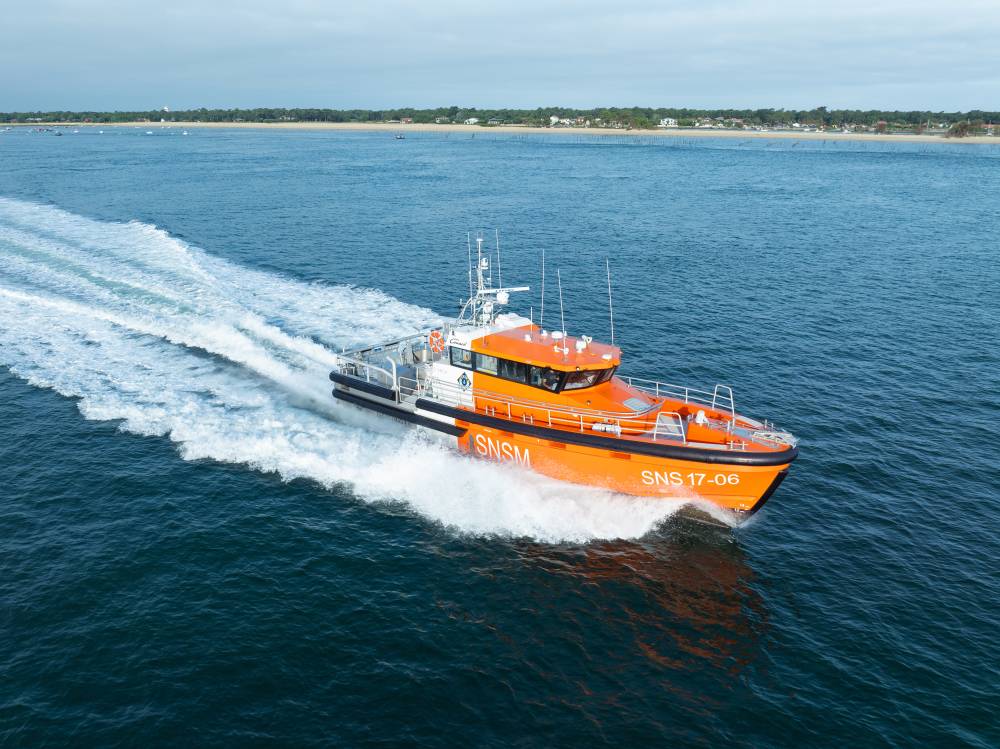
Fabrice Vial, a wealthy industrialist from the woodworking sector, comes to its aid, but he is assassinated on board his 37m Couach yacht in the summer of 2011 by a sniper in the bay off Porto-Vecchio. This troubling episode, which has never been solved, remains a cold case. In the same year, the yard is rescued by Nepteam, a group of local investors, and launches La Pellegrina, its first 50 meter yacht, the following year. A new military order for 79 units from Saudi Arabia puts the yard back on a stable footing. In 2019, the French sea rescue service (SNSM) awards it a contract for the design and production of its entire future rescue fleet. Chantier Naval Couach has made major investments to develop its own research and product development teams. It is now positioned to tackle a wide range of innovative challenges, both upstream and downstream of its production capabilities.
130 years after starting up its very first engine, Couach remains firmly anchored in the collective memory of French recreational boating.
Gérald Guétat
Key milestones in a long history
1897 Albert Couach starts building marine engines.
1903 Albert Couach motorizes the first pinnace fishing boat in Arcachon Bay.
1937 Moteurs Couach releases its first diesel engines.
1947 Guy Couach enters the firm led by his father Robert.
1948 Robert Couach founds Arcoa to build 400 wooden pinnace boats with Couach engines, destined primarily for Africa.
1955 Wooden Arcoa 1060 motor cruiser created, under the technical direction of Guy Couach.
1962 Guy Couach establishes his own yard in Arcachon, bearing his full name.
1964 The Guy Couach 1200, his first model, is launched.
1968 The first Guy Couach polyester hull appears: the 960.
1970 Guy Couach inaugurates its Plascoa division for military boats and French and foreign government organizations.
1971 The first Guy Couach Kevlar composite hull is introduced: Aramat.
1972 Couach engines enter the Renault group, giving rise to the new entity, Renault Marine-Couach.
1973 The Guy Couach 1600 Plastique is released.
1975 End of wooden construction and development of the range.
1991 The “Gulf War” economic crisis hits the recreational boat industry hard, including the Guy Couach yard.
1996 The yard is taken over by Didier Cazeaux.
1999 The first 30m Couach yacht, the 3000 FLY, is launched.
2000 The company is listed on the stock exchange.
2005 The yard changes its name to Couach Yachts.
2007 The first 5000 FLY yacht is released.
2009 The yard is taken over by Chantier Naval Couach (CNC).
2010 Plascoa signs a major contract with the Indian navy.
2011 Nepteam, a group of local investors, takes over the yard.
2012 Couach Yachts launches its first 50m yacht.
2013 Two new models are launched: the new 2600 FLY and the 1300 Hornet, derived from a military version.
2014 Guy Couach dies at the age of 88.
2017 The 4700 FLY yacht is delivered.
2019 Couach wins a contract to design and build more than 70 rescue boats for the French sea rescue service (SNSM).
2021 New hybrid yacht concepts launched for transatlantic cruising.