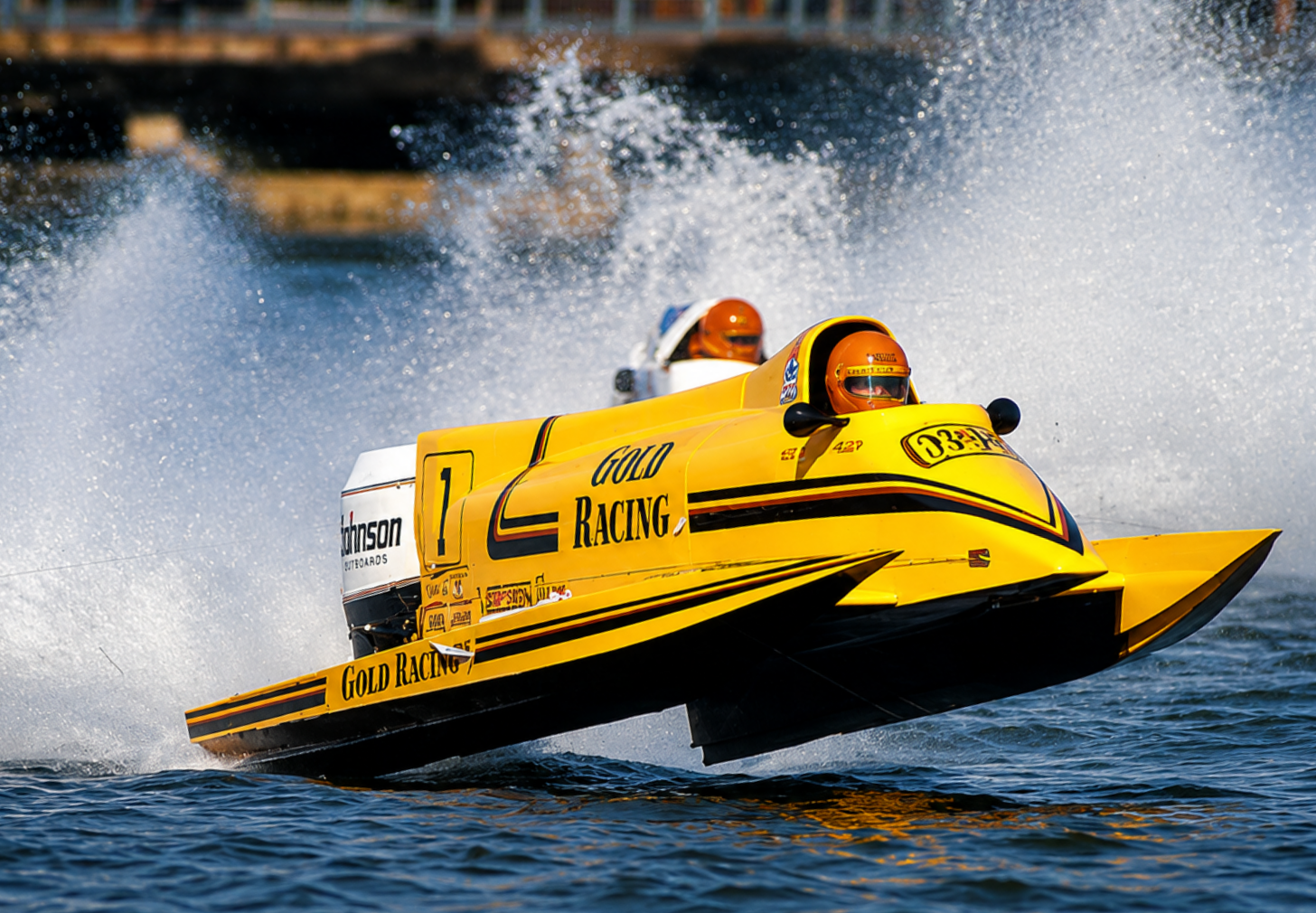
Cees van der Velden or the legend of “The Flying Dutchman”
While all motor sports are considered dangerous, racing between buoys on an inshore body of water can be described as extremely hazardous. This has always been the case, but in the 1970s and 1980s the new records set make grim reading. During these decades, catamaran-type “tunnel” hulls establish themselves as the dominant design for single-seat speed and endurance championship boats, while engine manufacturers develop increasingly powerful outboards. The hulls of these single-seaters, which break free from much of the water’s drag thanks to the airflow rushing beneath the cockpit between their two sponsons, are extremely fast, but just as unstable and very difficult to control. The limit is quickly reached and, once it is exceeded, the boat takes to the air. Imagine the driver traveling along at over 200 km/h, skimming the surface of the water. At the slightest gust of wind over the churning racecourse, between the piers of a bridge or near the stone embankments of the feared city circuits, the driver has to ease off the throttle in a fraction of a second. Otherwise, the bow rises, and it is already too late. Imagine a Monaco Grand Prix where the condition of the track changes constantly and unpredictably at every corner of every lap… A driver could survive it – Cees van der Velden knows something about that – but not always. And the list of those lost is long. During this period of unrestrained experimentation, accidents become a reality for every driver.
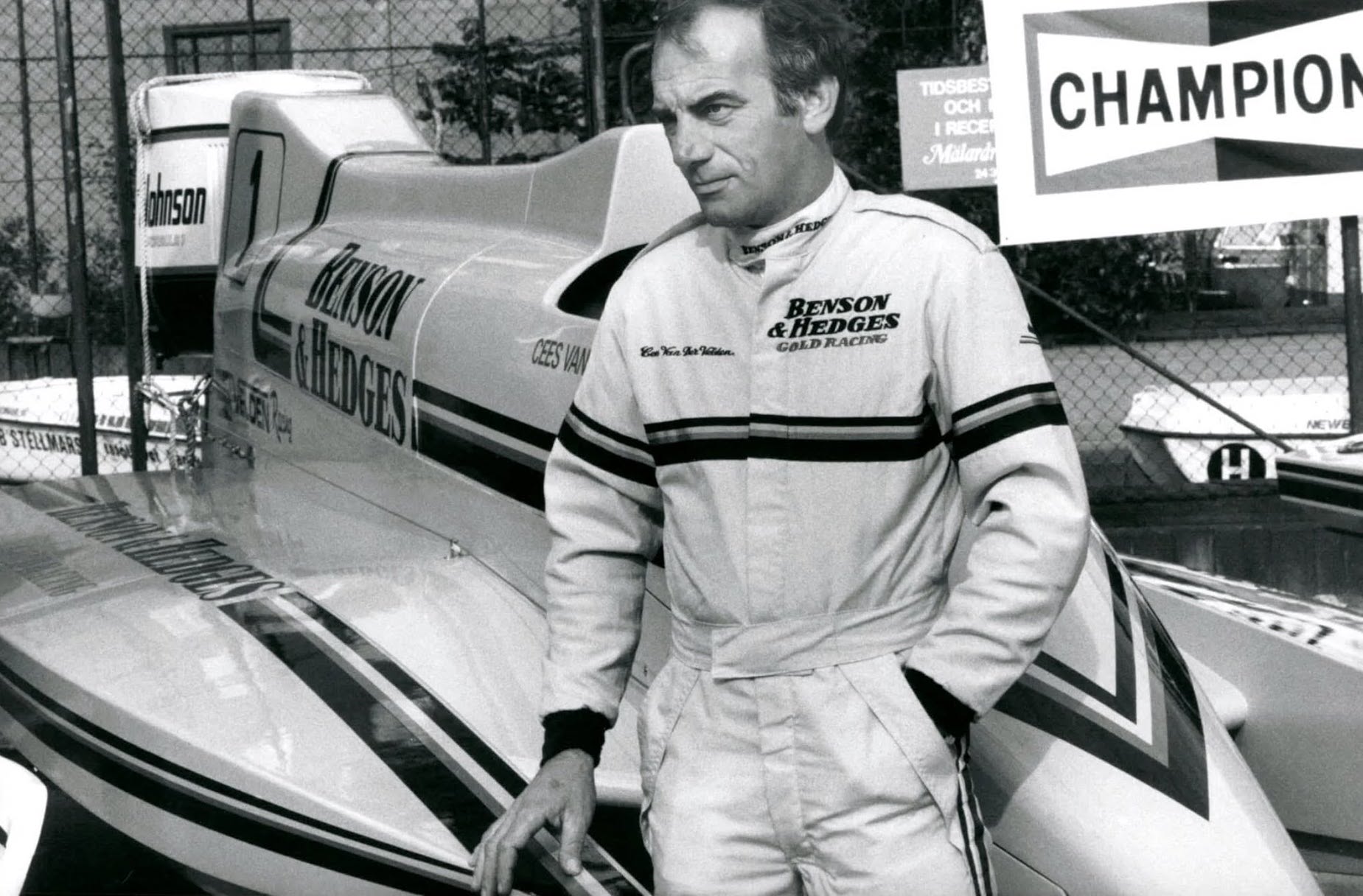
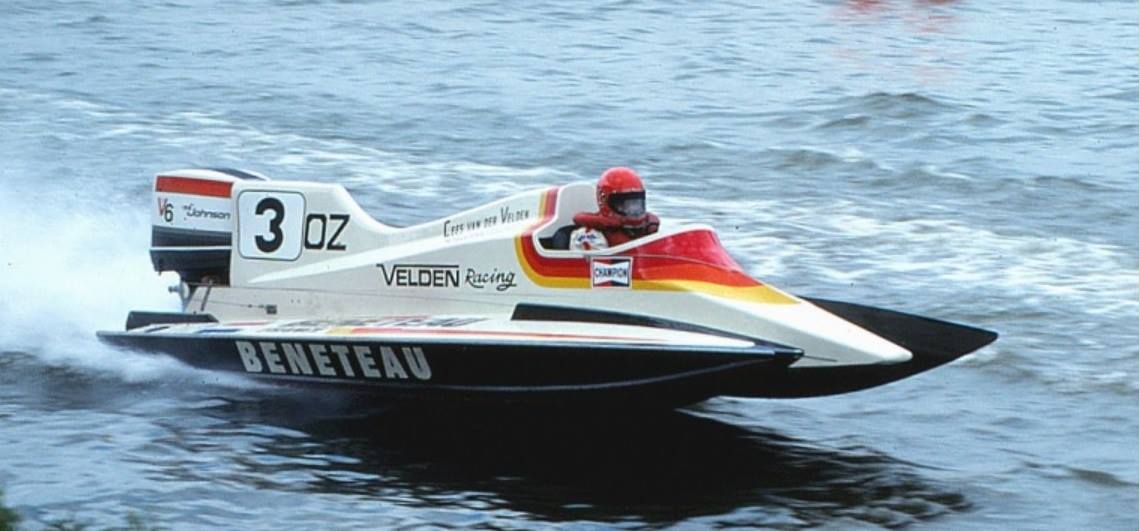
In the leading classes, the major manufacturers, chiefly the American companies OMC and Mercury, which dominate the sport, work with small-scale craftsmen to create the hulls. At the highest level, a small elite therefore becomes driver, builder, and team principal all at once. Two names largely dominate the podiums throughout these years: the Italian Molinari (see The Molinaris’ Extraordinary Record), and the Dutchman Cees van der Velden, nicknamed The Flying Dutchman. With 13 European and world championship titles, he also shines in endurance racing, winning, among other events, the Berlin 6 Hours in 1969, the Amsterdam 3 Hours in 1973, the Paris 6 Hours in 1974 and 1979, and the Parker Enduro Race in the United States in 1974.
Cees van der Velden was born on September 25, 1941 in Nistelrode, in North Brabant, in the Netherlands. It is interesting to note that his father was born in the United States, which probably helps explain the confidence with which his daring son later moved in international business circles. He trains as an electronics engineer, applying the design principles learned through this advanced training to his methodical approach to every technical issue he has to resolve. He throws himself passionately into powerboat racing in 1966, at the age of 25, driving V-shape monohulls, and wins his first national title the following year.
As soon as the first outboard catamarans appear on the circuits from 1970, he adopts this new type of hull, whose development is dominated at the time by Molinari. Van der Velden, determined to be at the forefront of his chosen discipline, is recruited by Mercury’s legendary Black Angels team. He wins his first world title as early as 1972, pipping none other than the seemingly unbeatable Renato Molinari to the post. Molinari is then his teammate in the Mercury team, whose distinctive black engines power the official Molinari hulls and carry them to the front of the field in the great international classics.
A new builder enters the fray: Van der Velden
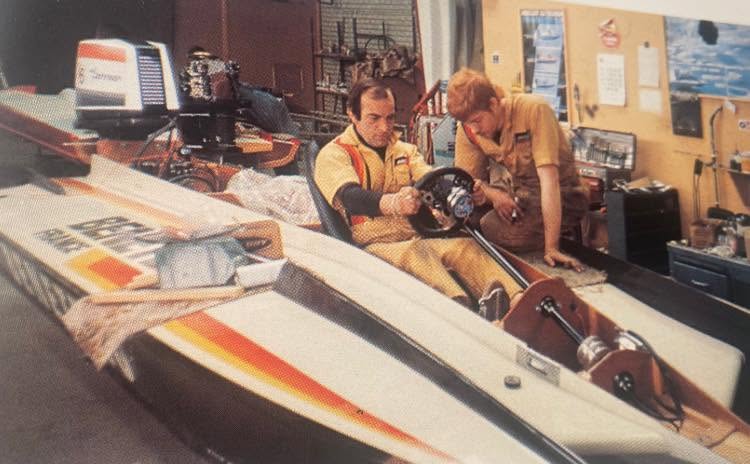
For the 1974 season, a tremendous opportunity opens up for the Dutch champion when he moves from Mercury to the rival OMC team, the Outboard Motor Corporation, with its Johnson and Evinrude brands. This transfer gives him the chance to build his own hulls. In this key year in his career, he wins the Paris 6 Hours with the highly talented American driver Bill Seebold aboard a catamaran designed by Van der Velden. With humor and modesty, and with deep respect for the work done by his former Italian teammate, the Dutchman nicknames his own boats “Ceesinari”, paying tribute to the creations of the family workshops on Lake Como.
To secure his technical independence and put his innovative ideas into practice, Van der Velden sets up a 600 square meter workshop in Boxtel, around 30km from his hometown of Nistelrode. Three people work there, producing around 10 hulls each year. Here, as elsewhere, wood is king for the multi-ply structures, with openwork frames as slender as those of a glider wing. Polyester is used to cover the whole assembly and to make cowls and other bodywork components. In the mid-1970s, “exotic” materials such as Kevlar and carbon fiber are still rare.
Success comes quickly, first with the boss at the wheel, of course, but others follow too. Less than two years later, 18 Van der Velden hulls can already be recorded by technical officials at championship races on the European and North American circuits. Cees also brings in the valuable expertise of master carpenter Chris Hodge, one of the three founders of Cougar Marine, the renowned British yard that helped pioneer racing catamarans.
Recruited by the world’s leading sailboat manufacturer
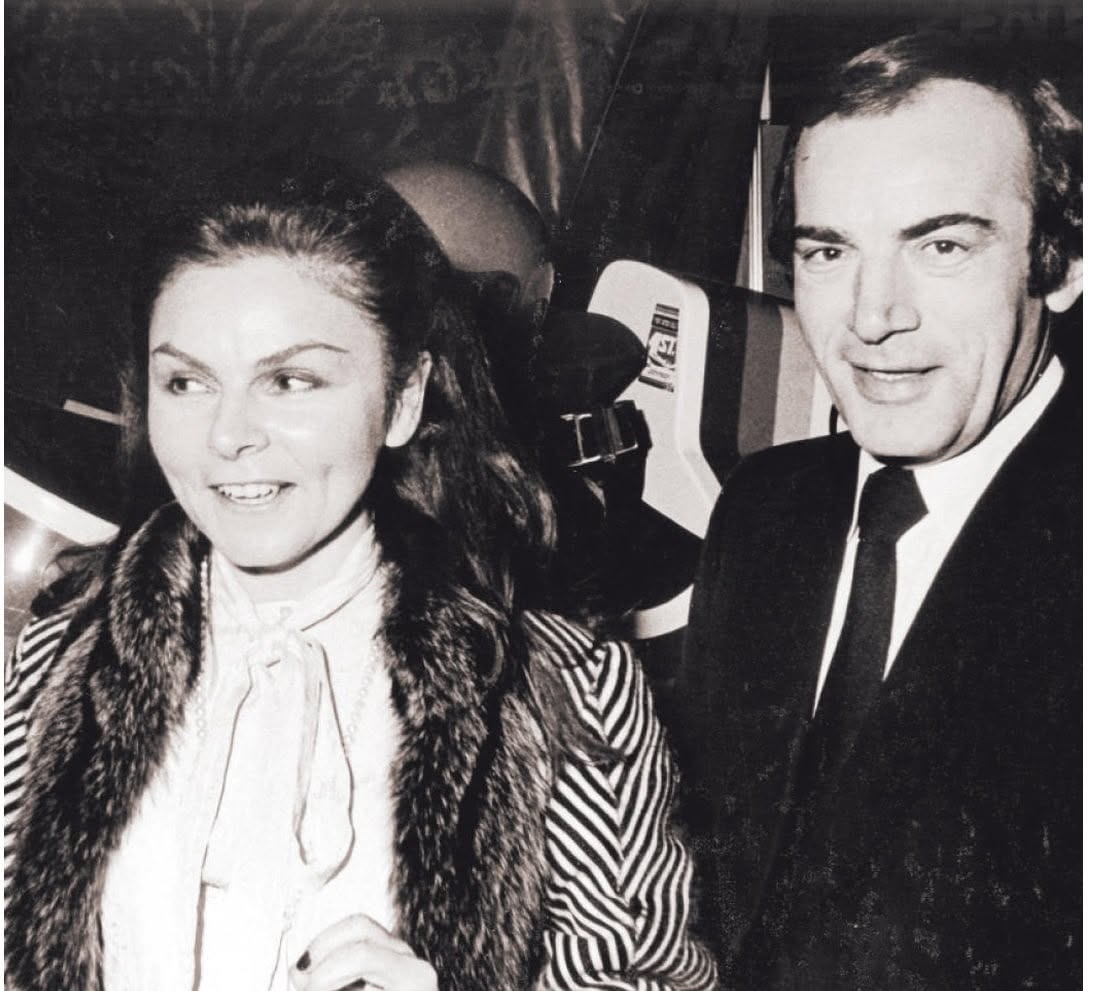
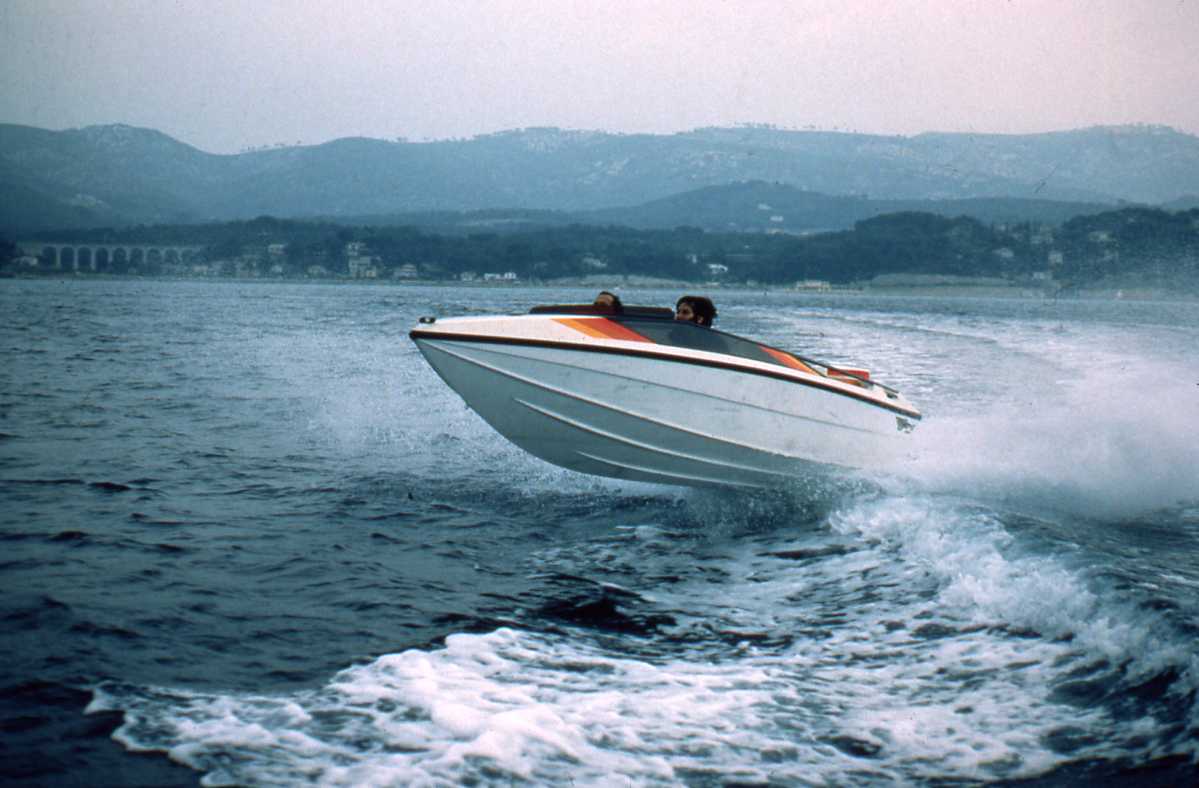
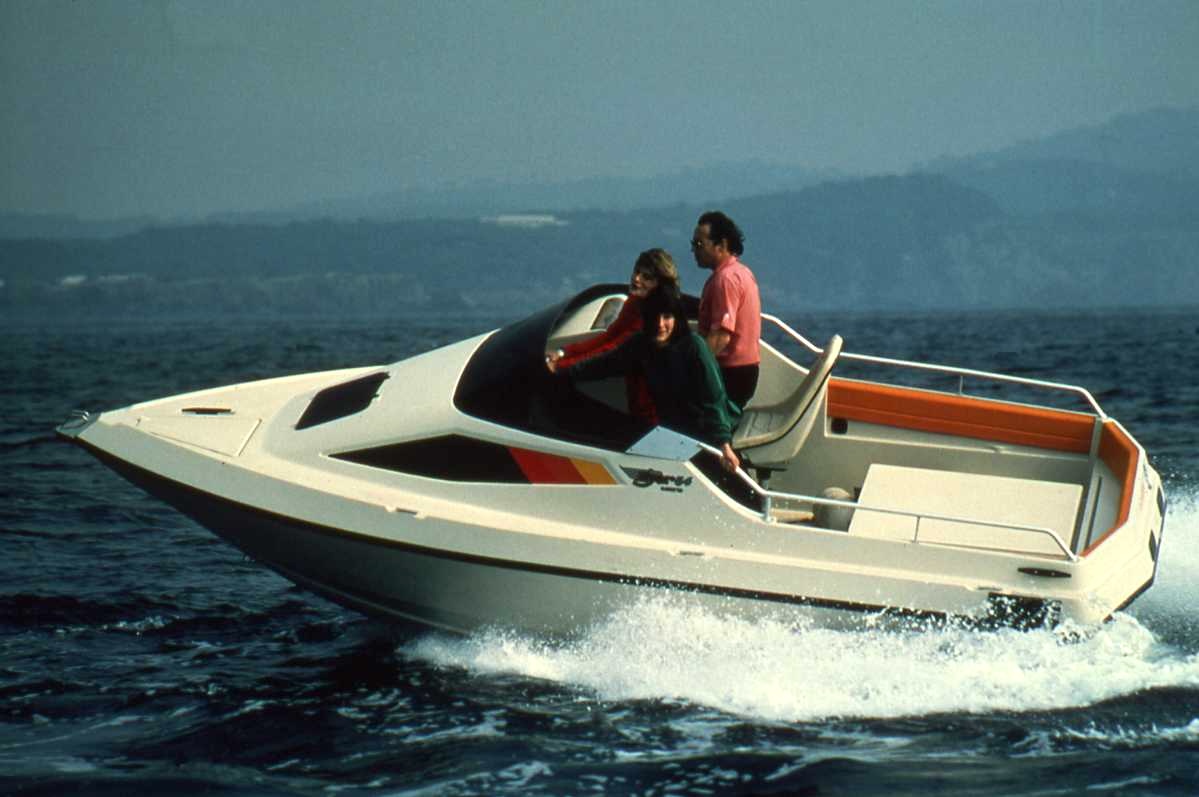
After another serious accident in the United States in 1978, from which he makes a full recovery, Van der Velden is crowned world champion the following year, in 1979, having also won the Paris 6 Hours in commanding style at the wheel of his catamaran in Beneteau’s colors. Indeed, the Dutch champion’s company had launched, with great fanfare, a groundbreaking partnership with one of the major names in recreational boating – and one best known for its sailing yachts. In a win-win strategy, just as he became a builder when he moved from Mercury to OMC, Van der Velden seizes a new opportunity four years later by entering into a partnership with Beneteau. But these agreements are not limited to support for the racing team or the publicity that its victories bring the French brand. While motorboats represent – both then and still today – the world’s largest market, Van der Velden, in addition to this successful racing program, designs three hulls for the launch of a new range of boats called “Flyer”, whose winged logo inevitably recalls the legend of The Flying Dutchman. The Vendée yard’s 1980 catalogue is therefore enriched with three first-generation models: the 47, 54 and 64, described as follows:
“At first glance, the Flyers immediately stand out. A hull designed by a world champion, Cees van der Velden, and superstructures created by a leading designer, Joël Bretecher […] A small leather-trimmed steering wheel, adjustable bucket seats and a wraparound windshield recall that it was designed for speed and safety (Flyer 47) […] Whatever the speed, in a head sea or beam sea, you quickly realize that Cees van der Velden has produced an excellent hull here, at once high-performing, comfortable and very safe (Flyer 54 […] The reverse-chine hull of the 64 has also benefited from all of Cees van der Velden’s racing experience”.
For the first time, a world champion shares his experience with thousands of recreational boaters, generally powered by OMC engines like those of the world championship-winning team.
Cees comes close to death on the Meuse
Liège, Belgium, August 19, 1982. There are individual tragedies that go on to influence the lives of many others. At over 200 km/h, Van der Velden is chasing Renato Molinari when, at the end of the straight, his catamaran takes off, slaps back down, and buries its bow in the water. The Dutchman, thrown from the boat, is recovered with a broken leg, a fractured pelvis and various back injuries. At the time, he was driving one of his own hulls, more extreme and less stable than a Molinari. The story goes that, while still in his hospital bed, he begins sketching a new hull design: longer, with sponsons carrying a more pronounced V to improve stability and performance. It is with this new asset in hand that he later beats Molinari on his home waters on Lake Como. In fact, the Dutchman’s racing instinct has not deserted him – nor, alas, has his tendency to fly – and, barely recovered from his injuries, he is persuaded by OMC to return as early as the 1983 season. He finishes it in second place in the world championship. Yet beyond the epic duels between these Formula 1 aces, Van der Velden makes a notable contribution to improving safety from the earliest design stage of these still highly dangerous catamarans, which have no survival cells and are powered by monstrous 500 hp outboards.
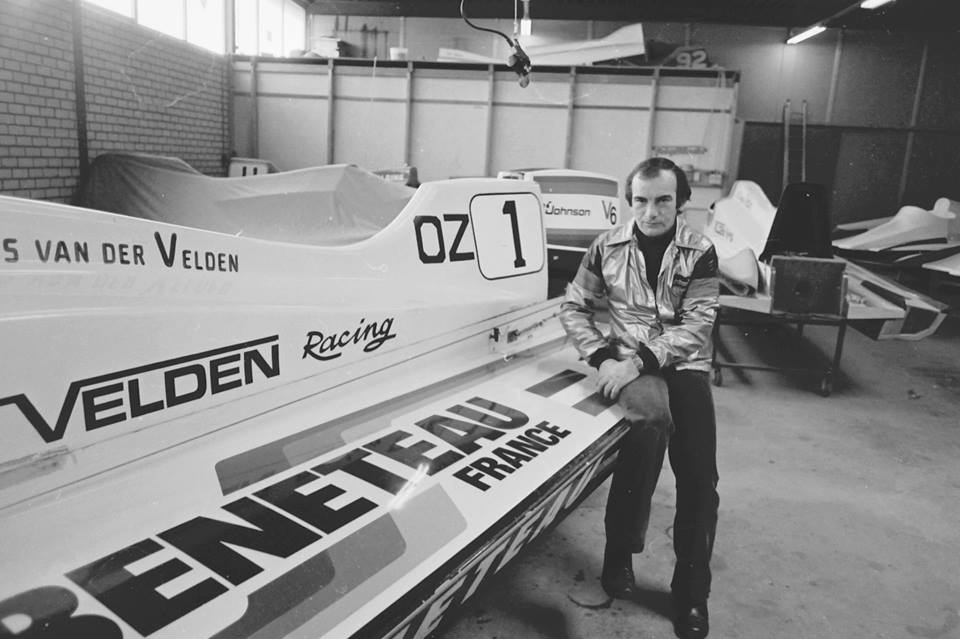
Drivers fear for their future, and so do the sponsors…
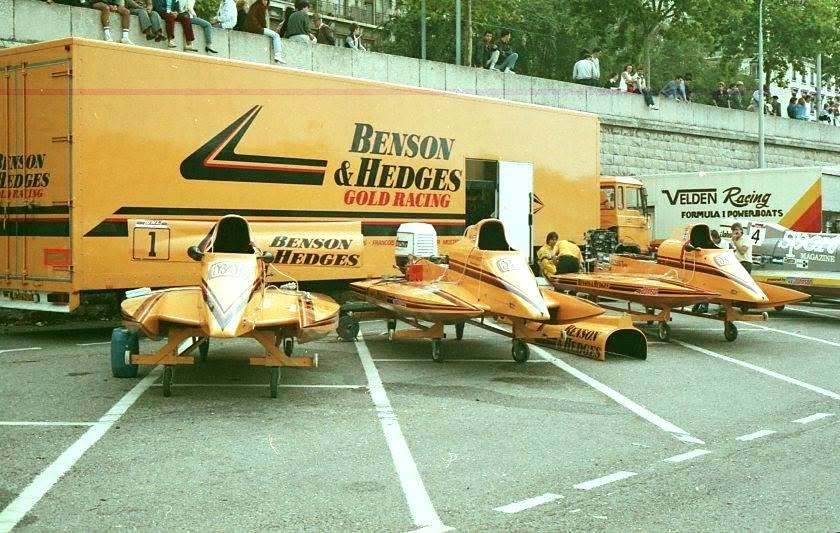
In the 1970s and then the 1980s, a public health measure has effects that are as unexpected as they are considerable in the small world of motor sports. On April 1, 1970, President Nixon signs a law restricting cigarette use and banning cigarette advertising on radio and television. Europe, a little later, is not far behind. Hundreds of millions of dollars in advertising budgets are suddenly freed up and begin flowing for decades into every discipline, from car and motorcycle racing through to powerboat racing, on a global scale. The tobacco brands ensure their continued presence in the major media through racing teams. The same is also true of certain Italian aperitif brands. A small number refuse, among them Enzo Ferrari, who maintains until his death in 1988: “You don’t smoke my cars”. But most of the players in this sector welcome this windfall from heaven. It largely explains the move upmarket made by the major teams, which become increasingly well equipped and better presented in order to showcase the brands. Cees benefits from this opportunity with his gold-yellow Team Benson, finished to perfection, and his gleaming workshop truck as well. But the battle at the top between the two great rival engine manufacturers, as they race towards more power and performance, leads to a number of accidents, including four deaths in Formula 1 in 1984 alone. In addition to the stance taken by the drivers and their refusal to accept such conditions, the sponsors, fearing damage to their image in the evening newspapers, also push for solutions to improve boat safety. At the time, Van der Velden is the leading figure behind this shift in attitudes. After withdrawing his team to mark his opposition to continuing the 1984 racing season following the death of Tom Percival in Belgium, he thinks only of advancing boat technology to save lives, without diminishing either the drivers’ pleasure or the spectacle. Cees then embarks on an ambitious cycle of research with a Dutch university professor between 1985 and 1986, and Formula 1 will never be the same again.
His work focuses initially on significantly reinforcing the hull transom to better distribute the engine loads more effectively. Then comes the first power steering system on this type of boat. Lastly, the development of a survival cell marks a decisive advance in driver safety. It should be noted that he is the only driver-builder present throughout all the sessions of the intensive tests carried out in January 1985 to move this program forward. He also works on the development of removable sponsons for catamarans, allowing damaged sections to be replaced easily between two Grand Prix heats.
Cees van der Velden continues to race at the highest level until 1989, and announces his retirement after one final victory in the United States. However, he continues to be very involved in the sport throughout the 1990s and 2000s, first as a builder and then as a technical commissioner and expert with the international powerboating federation (UIM). He dies of cancer on December 27, 2006, in the Netherlands, only a few months after being diagnosed. Less decorated than his eminent colleague Renato Molinari, his name remains forever associated with his passionate commitment to driver safety, through major advances that are still present on circuits decades later, as well as the creation of fast, safe hulls intended for everyday recreational boaters.
Gérald Guétat